

Places to visit in Tokyo, Japan
33 places to visit in Tokyo, Japan, each with LOQAH's carefully crafted stamp of its own: Akihabara, Ghibli Museum, Ginza and more. Stand at any of them with the app open and the stamp is yours, confirmed on site, in your Tokyo volume.
20 Famous places to visit · 13 Hidden gems
Famous places to visit in Tokyo (20)
-
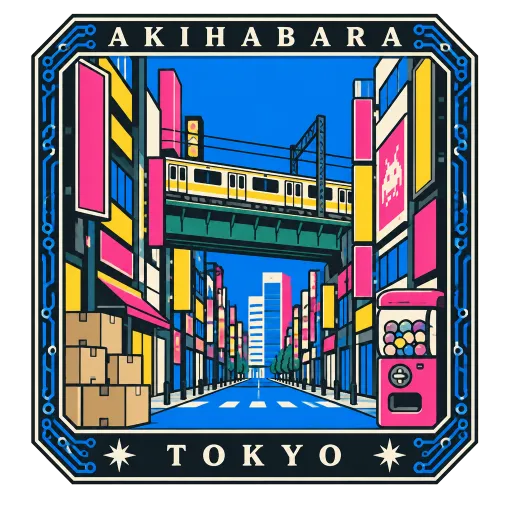
Akihabara
The neighbourhood around its busy station in Chiyoda, known as Electric Town for its shops of electronics, games and anime goods. It is the centre of Tokyo's otaku culture, with multi-storey arcades, maid cafés and stores full of figures and manga.
-
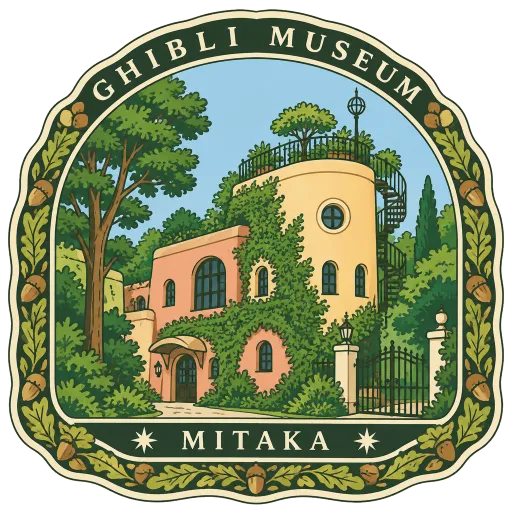
Ghibli Museum
A museum of the animation studio Studio Ghibli, set in Inokashira Park in Mitaka and devoted to the art and technique of animation. It has a replica Catbus from My Neighbor Totoro, a rooftop garden and a small cinema showing short films made only for the museum.
-
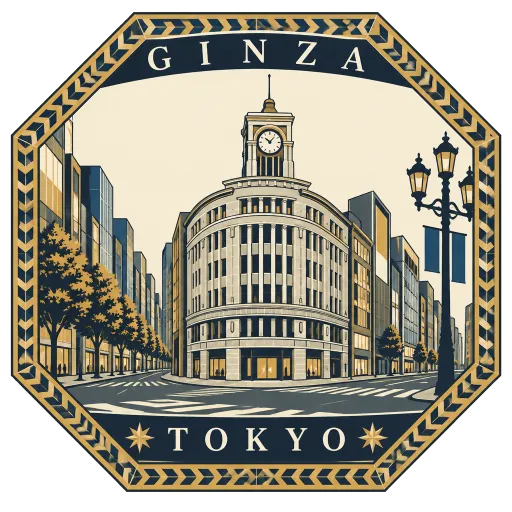
Ginza
Tokyo's grand shopping district in Chūō, lined with department stores, international boutiques, restaurants and old coffeehouses. On weekend afternoons its main street, Chūō-dōri, is closed to cars and becomes a promenade.
-
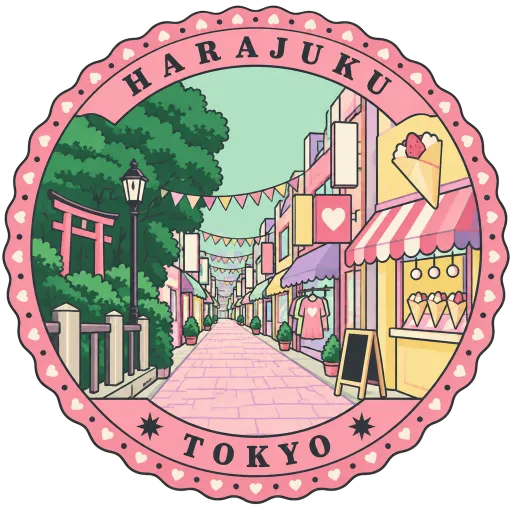
Harajuku
The area spreading from its station toward Omotesandō, known around the world for youth fashion and street style. Takeshita Street and Cat Street run through its backstreets, a short walk from the calm of the Meiji Shrine forest.
-
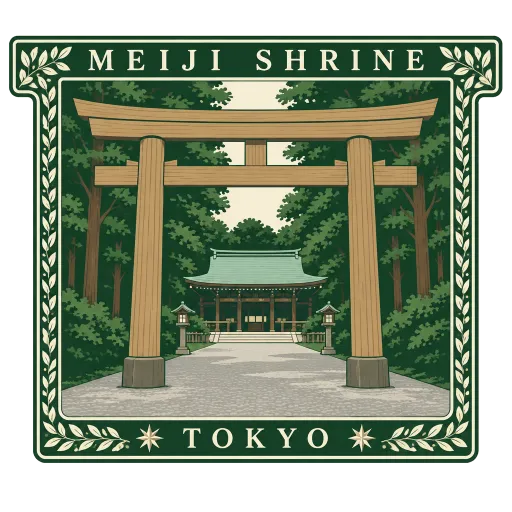
Meiji Shrine
A Shinto shrine in Shibuya dedicated to the deified spirits of Emperor Meiji and Empress Shōken. It stands in a dense planted forest beside Harajuku, reached through towering wooden torii, though the emperor himself is buried near Kyoto.
-
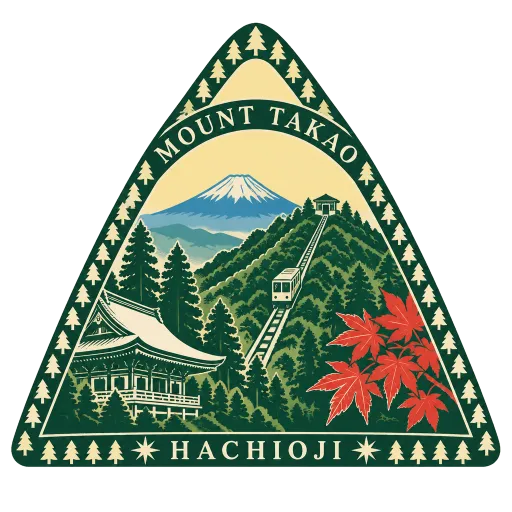
Mount Takao
A wooded mountain in Hachiōji on the western edge of Tokyo, protected within Meiji no Mori Takao Quasi-National Park. A cable car and well-kept trails lead up past the temple of Yakuōin to a summit that looks toward Mount Fuji.
-
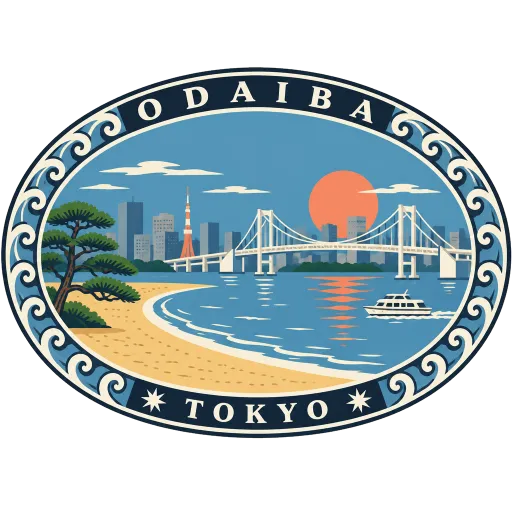
Odaiba
A large artificial island in Tokyo Bay, first built for defensive gun batteries in the 1850s and redeveloped in the 1990s for shopping and leisure. Its man-made beach is one of the few places on the bay where the waterfront is open, with views back to the Rainbow Bridge.
-
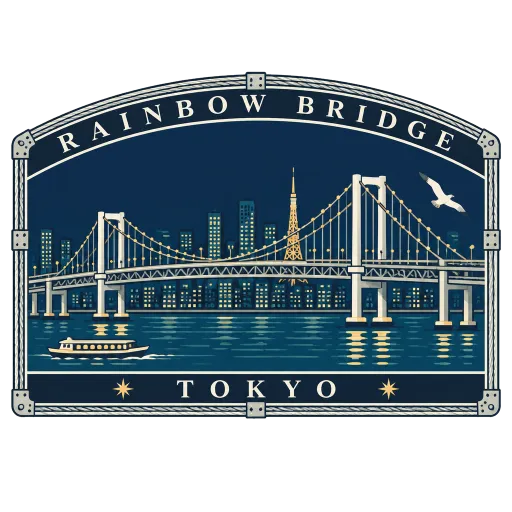
Rainbow Bridge
A suspension bridge across northern Tokyo Bay between Shibaura Pier and Odaiba, carrying road, rail and a footpath on two decks. Its official name is the Tokyo Port Bridge; the English name was chosen by public vote.
-
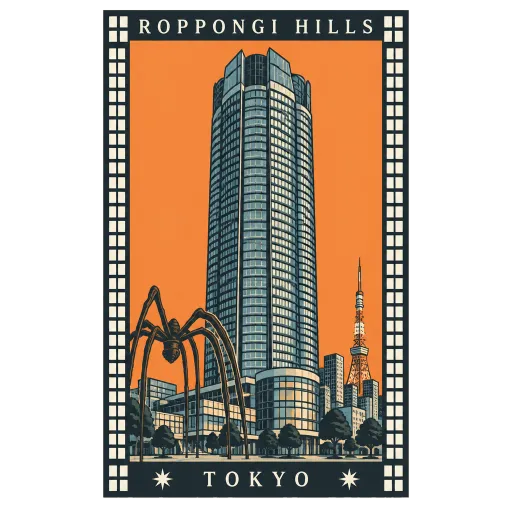
Roppongi Hills
One of Japan's largest property developments, a cluster of towers, shops, offices and the Mori Art Museum in Roppongi. Its Mori Tower has an observation deck high over the city, and Louise Bourgeois's giant spider sculpture Maman stands at its foot.
-
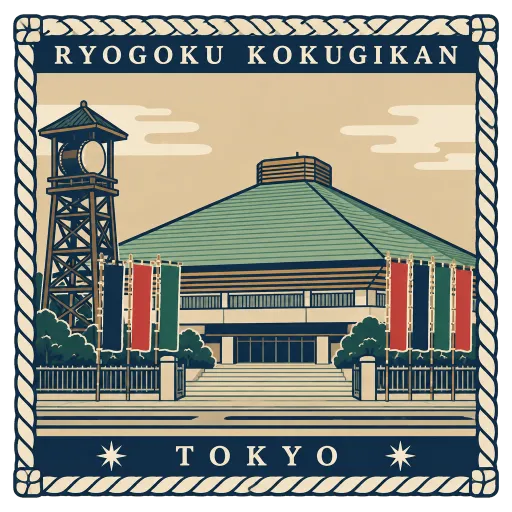
Ryōgoku Kokugikan
The national sumo hall in Ryōgoku, opened in 1985 and home to three of the year's six grand tournaments. Between tournaments the neighbourhood still lives around sumo, with training stables and chanko restaurants nearby.
-
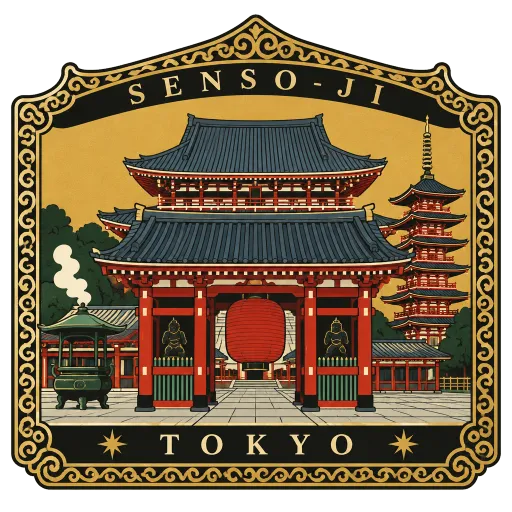
Sensō-ji
Tokyo's oldest temple, dedicated to Kannon, the bodhisattva of compassion, in the old quarter of Asakusa. Visitors pass under great gates and beside a five-storey pagoda to reach the main hall, and it draws more people than any other religious site in the world.
-
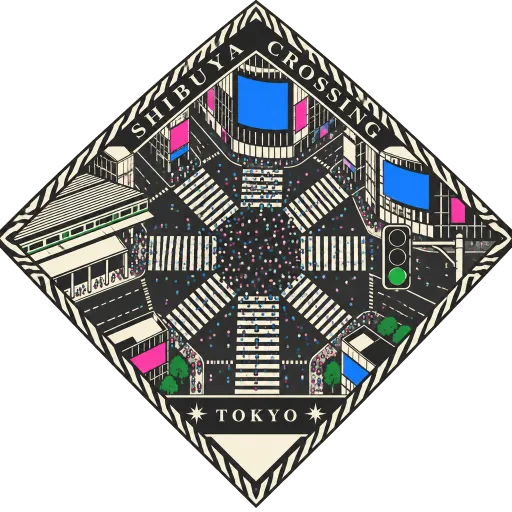
Shibuya Crossing
Described as the world's busiest pedestrian crossing: when the lights change, between 1,000 and 2,000 people step out from every side at once. It sits in front of Shibuya Station and has stood for Tokyo in countless films since it opened in 1973.
-
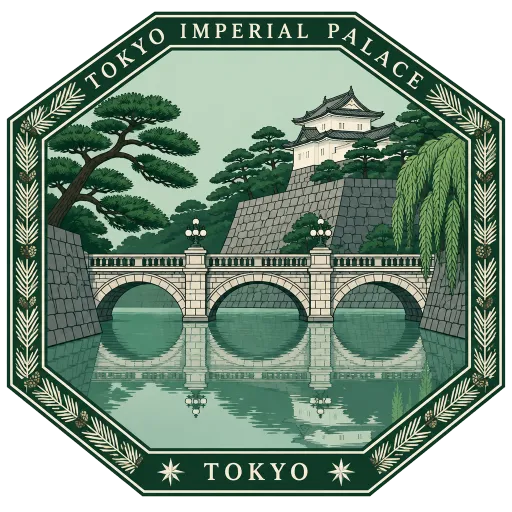
Tokyo Imperial Palace
The main residence of the Emperor of Japan, a wide park-like enclosure of moats, stone walls and gardens in Chiyoda. It stands on the site of Edo Castle, and the East Gardens and the view of the Nijūbashi bridge across the moat are open to visitors.
-
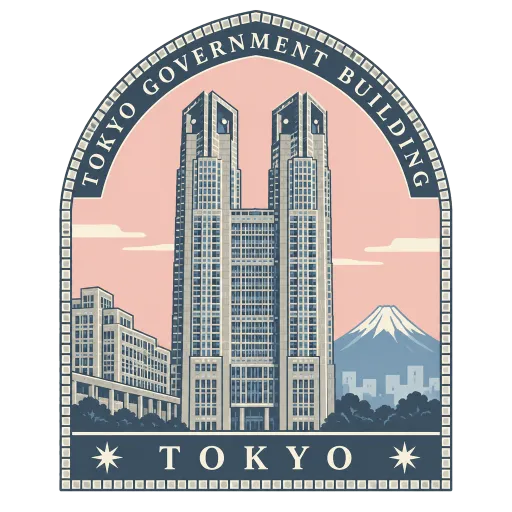
Tokyo Metropolitan Government Building
The seat of Tokyo's metropolitan government, twin towers in Nishi-Shinjuku designed by Kenzō Tange and finished in 1991. Observation rooms near the top look out over the city, and on clear days to Mount Fuji.
-
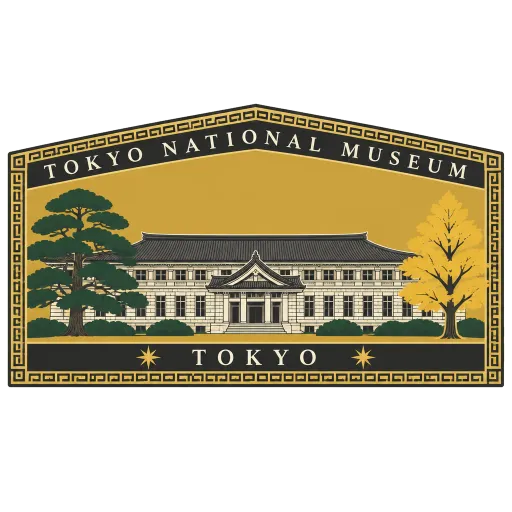
Tokyo National Museum
Japan's oldest national museum and its largest art museum, set in Ueno Park. It holds around 120,000 objects, among them dozens of National Treasures, with a focus on Japanese art and the art of Asia along the Silk Road.
-
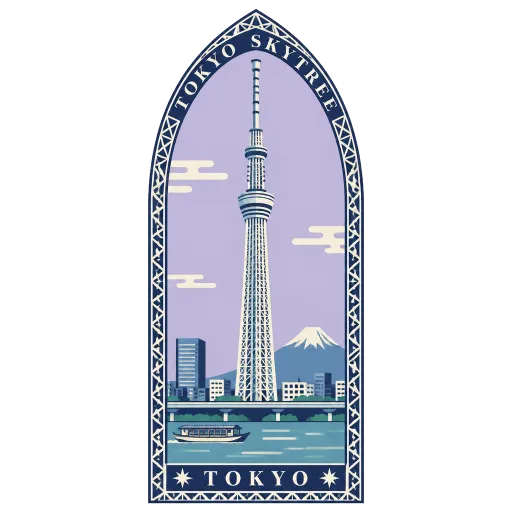
Tokyo Skytree
A broadcasting and observation tower in Sumida that reached its full height of 634 metres in 2011, making it the tallest tower in the world. Its decks look out over the whole sprawl of Tokyo, and on clear days as far as Mount Fuji.
-
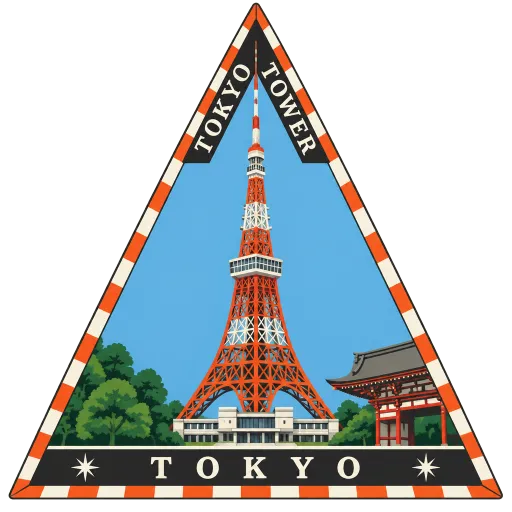
Tokyo Tower
A lattice tower in Shiba Park, completed in 1958 and inspired by the Eiffel Tower. At 332.9 metres it was Japan's tallest tower until 2012, and it is painted white and international orange to satisfy air safety rules.
-
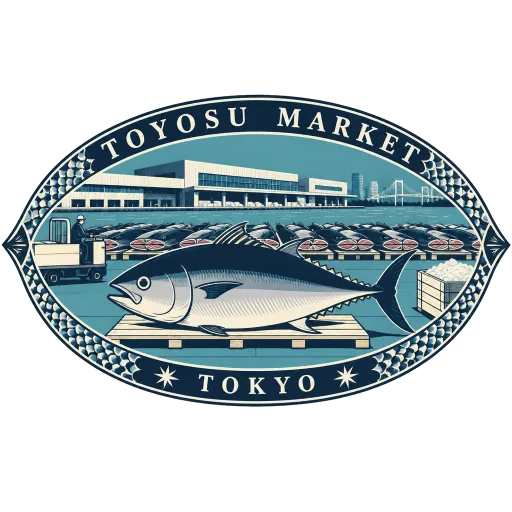
Toyosu Market
Tokyo's wholesale market for fish and produce, built on reclaimed land in Tokyo Bay and opened in 2018 to replace Tsukiji. From a viewing deck above the floor you can watch the tuna auctions, then eat seafood from the morning's catch in its restaurants.
-
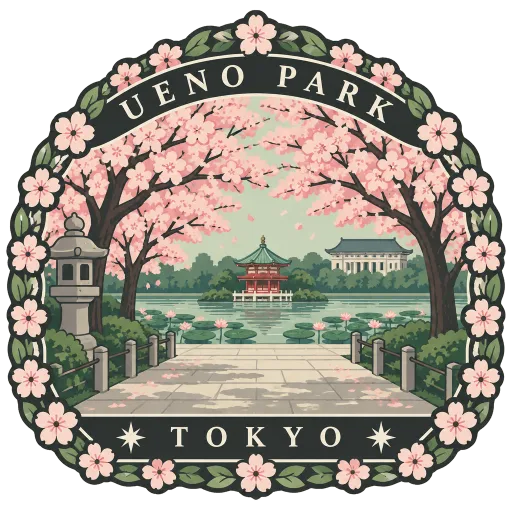
Ueno Park
Laid out in 1873 on land once held by the temple of Kan'ei-ji, it was one of Japan's first public parks on the Western model. It holds several major museums and a zoo, and in spring its cherry trees draw huge crowds for hanami.
-
teamLab Planets
A museum of digital art by the collective teamLab in Toyosu, where visitors walk barefoot through the works. Rooms of light, mirrors and knee-deep water surround you with projected flowers and swimming koi.

Hidden gems in Tokyo (13)
-
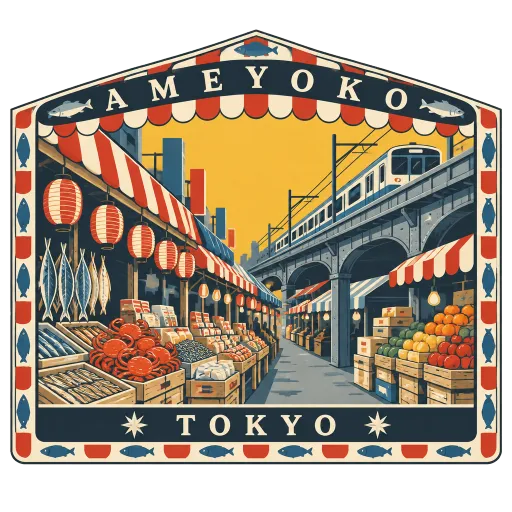
Ameyoko
An open-air market street running beside the railway tracks south from Ueno Station. Its crowded stalls sell dried fish, sweets, spices, clothes and street snacks, and it keeps the bustle of an old downtown bazaar.
-
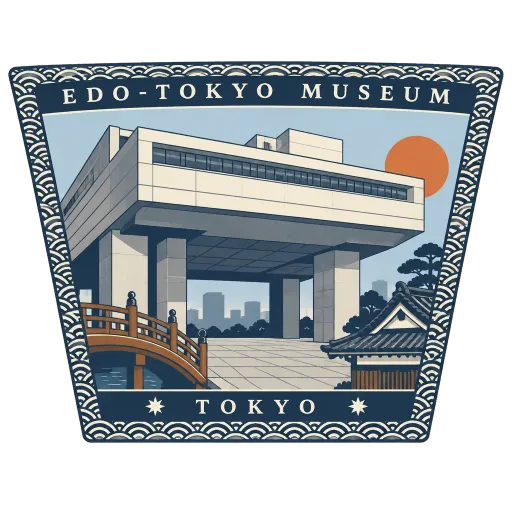
Edo-Tokyo Museum
A museum of the city's history in Ryōgoku, opened in 1993 to tell the story of Edo and Tokyo from 1590 to 1964. Inside are a full-scale replica of the Nihonbashi bridge, scale models of the old city and a reconstruction of the Nakamura-za theatre.
-
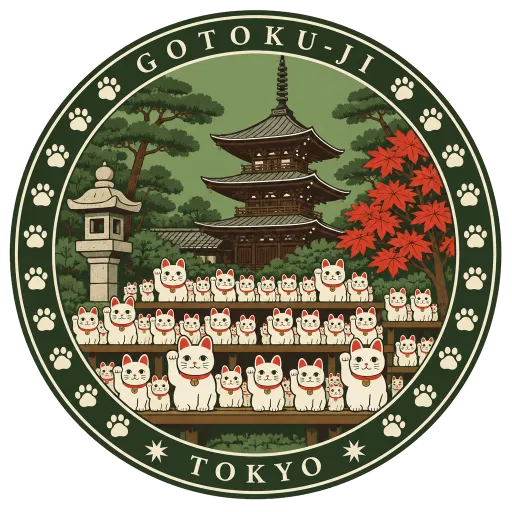
Gōtoku-ji
A Sōtō Zen temple in Setagaya that served as the family temple of the Ii clan, lords of Hikone. It is said to be the birthplace of the maneki-neko, and thousands of small white beckoning cat figures crowd a corner of its grounds.
-
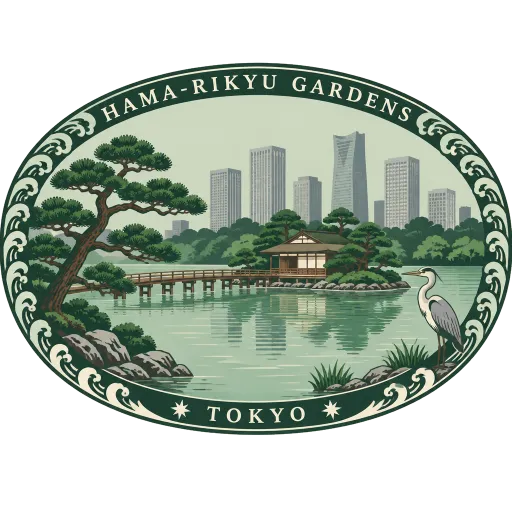
Hama-rikyū Gardens
A landscaped garden at the mouth of the Sumida River, on the site of a 17th century villa of the ruling Tokugawa family. Its pond is fed with seawater from Tokyo Bay, so it rises and falls with the tide, and a teahouse sits out on the water.
-
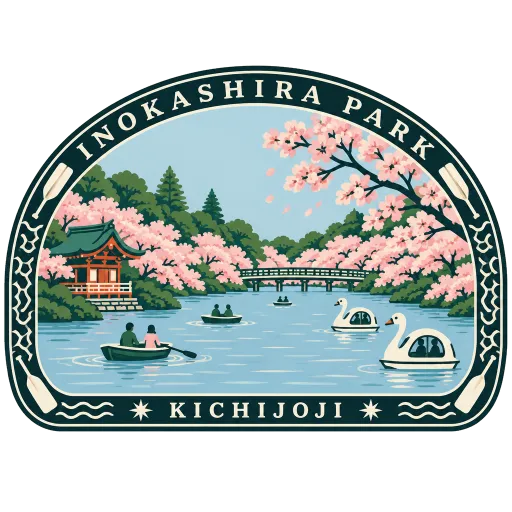
Inokashira Park
A park in western Tokyo around Inokashira Pond, a source of the Kanda River since the Edo period. Rowing boats and swan boats cross the pond under cherry trees, and the Ghibli Museum stands within its grounds.
-
Kabuki-za
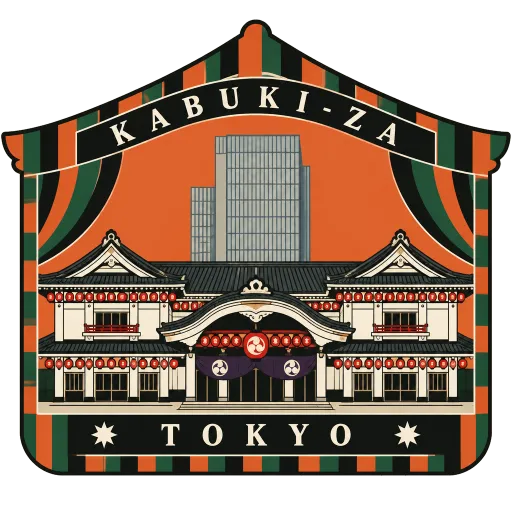
Tokyo's principal theatre for kabuki, the traditional drama of stylised acting, music and elaborate costume, in Ginza. The present building, rebuilt in 2013, keeps the curved gables of the older theatre in front of a modern tower.
-
Koishikawa Kōrakuen
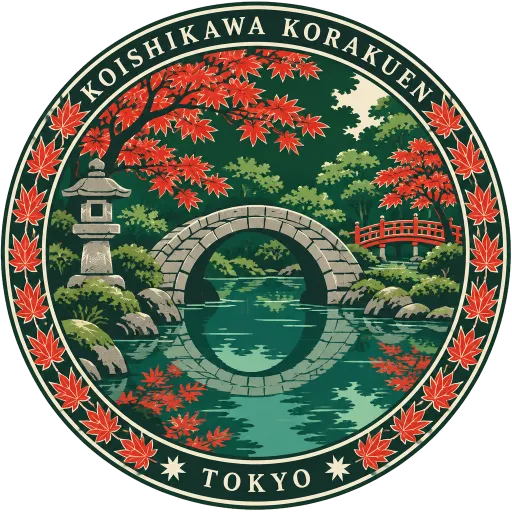
One of three surviving daimyō gardens from the early Edo period, the others being Rikugi-en and Hama-rikyū. It sits beside Tokyo Dome, and its paths lead past ponds, bridges and miniature versions of famous Japanese and Chinese landscapes.
-
National Museum of Nature and Science
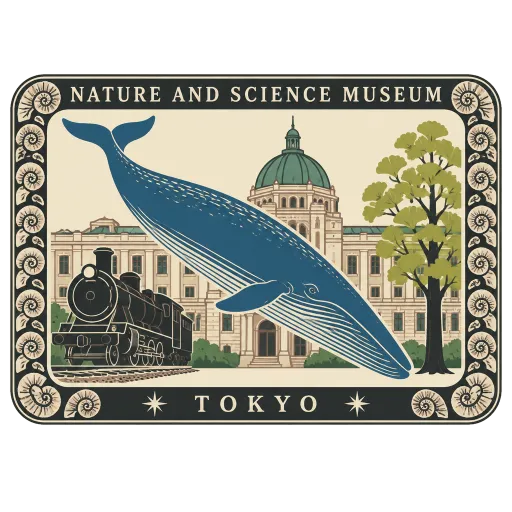
Japan's national science museum, in the north-east corner of Ueno Park. It keeps the preserved body of Hachikō, the famously loyal dog, and a life-size blue whale model and a steam locomotive stand outside.
-
Nezu Shrine
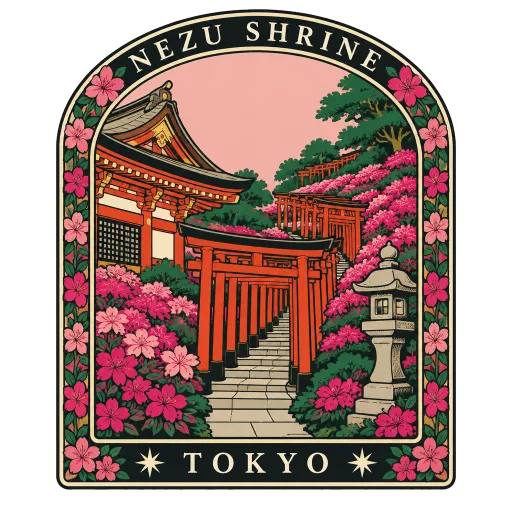
A Shinto shrine in Bunkyō, in the quiet old streets near Ueno. A tunnel of small red torii gates climbs the slope beside its halls, and a hillside of azaleas flowers around it each spring.
-
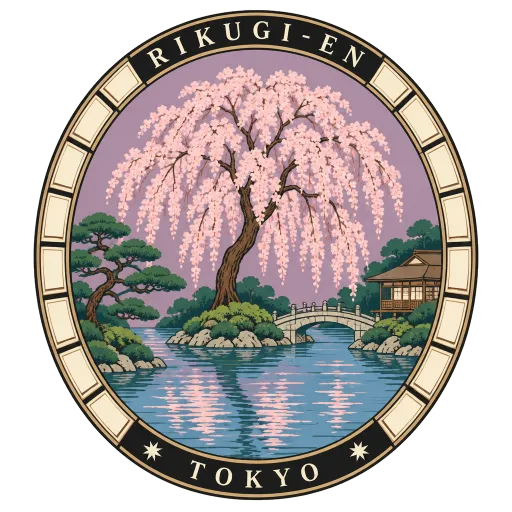
Rikugi-en
A daimyō garden in Bunkyō whose name means garden of six principles, after the six elements of waka poetry. A path winds round its pond, trees and small hill, and its weeping cherry and autumn maples are famous across the city.
-
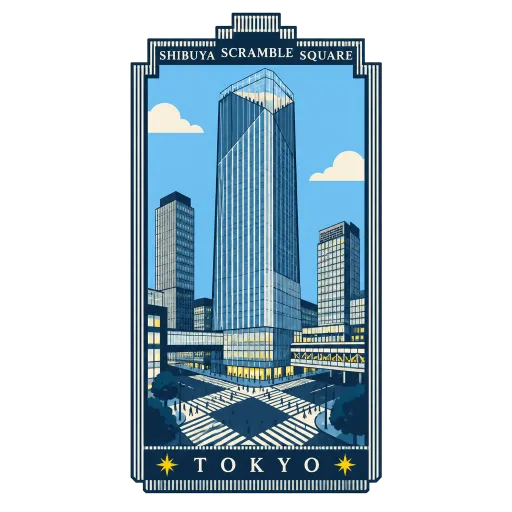
Shibuya Scramble Square
A mixed-use skyscraper built over Shibuya Station and opened in 2019. Its open-air rooftop deck, Shibuya Sky, looks straight down on the scramble crossing and out across the whole city.
-
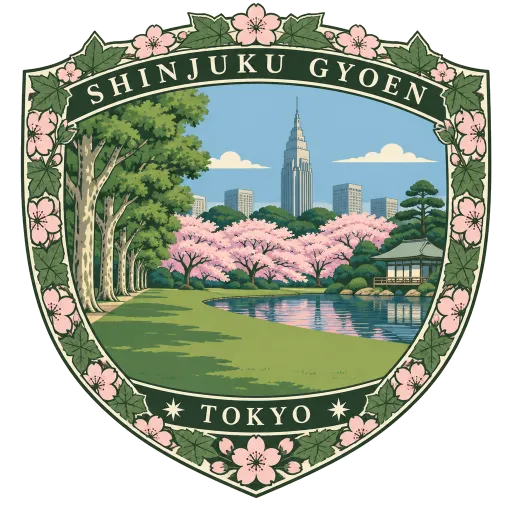
Shinjuku Gyoen
A large public garden in Shinjuku, once the estate of the Naitō family in the Edo period and later an imperial garden. Today it is a national garden, with Japanese, English and French sections and some of the city's best cherry blossom.
-
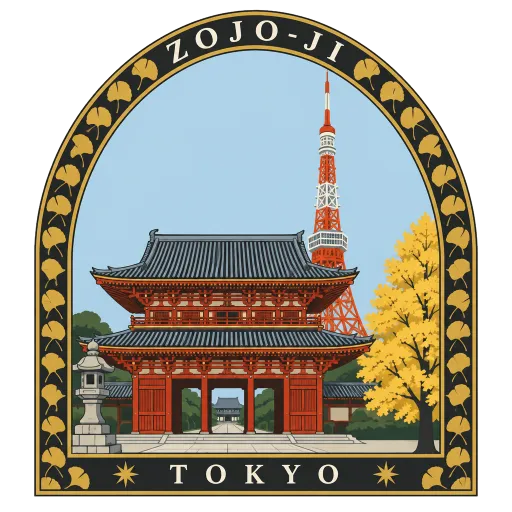
Zōjō-ji
The main temple of the Jōdo-shū Chinzei sect in the Kantō region, in Minato with Tokyo Tower rising right behind it. Its great red Sangedatsumon gate survives from the early 1600s, and the temple holds the tombs of several Tokugawa shoguns.
Collecting in Tokyo
What are the best places to visit in Tokyo?
LOQAH lists 33 places in Tokyo. The best known include Akihabara, Ghibli Museum, Ginza, Harajuku and Meiji Shrine. Each has a stamp of its own to collect when you are there.
How many LOQAH stamps are there in Tokyo?
33, and more are added over time. Each place has LOQAH's carefully crafted stamp of its own.
How do I collect a stamp in Tokyo?
Open LOQAH at the place and get its stamp. LOQAH checks where you are once, at that moment; at the place itself the stamp is confirmed on site, with a gold badge.
I have been to places in Tokyo before. Can I add them?
Yes. In Earlier trips, choose Tokyo and swipe through its stamps, or import your Google Timeline. Each one goes into your volume with the date, if you know it.
More in Japan
Collect your first stamp.
LOQAH is free on iPhone and Android, in India and 20 more countries, with more countries on the way. Stand at a place, collect its stamp, and keep every trip in a passport that grows.