

Places to visit in Kyoto, Japan
31 places to visit in Kyoto, Japan, each with LOQAH's carefully crafted stamp of its own: Byōdō-in, Daigo-ji, Ginkaku-ji and more. Stand at any of them with the app open and the stamp is yours, confirmed on site, in your Kyoto volume.
13 UNESCO World Heritage sites · 8 Famous places to visit · 10 Hidden gems
UNESCO World Heritage sites in Kyoto (13)
-
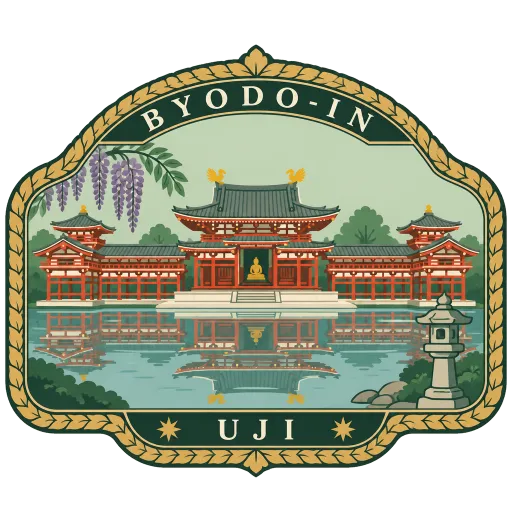
Byōdō-in
A temple in Uji built in the late Heian period, shared today by the Jōdo-shū and Tendai sects. Its Phoenix Hall, reflected in a pond, appears on the back of Japan's 10 yen coin.
-
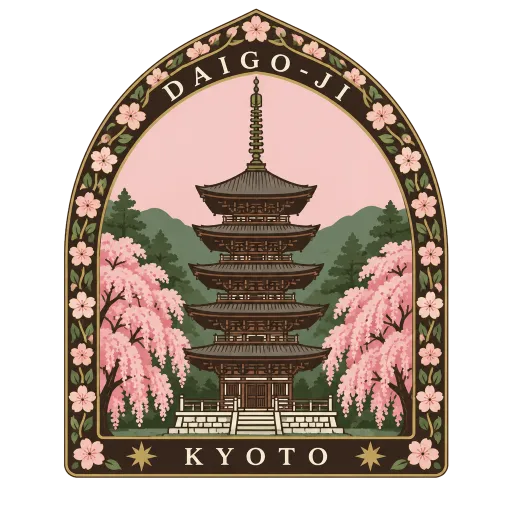
Daigo-ji
The head temple of the Daigo branch of Shingon Buddhism, with grounds of over 6.6 square kilometres climbing Mount Daigo south-east of Kyoto. Its five-storey pagoda is the oldest building in the city, and Toyotomi Hideyoshi held a famous cherry blossom party here in 1598.
-
Ginkaku-ji
A Zen temple in Sakyō, the Silver Pavilion, built in the Muromachi period as a retreat for the shogun Ashikaga Yoshimasa. Despite the name it was never covered in silver, and its garden of raked sand includes a flat-topped cone called the Kōgetsudai.
-
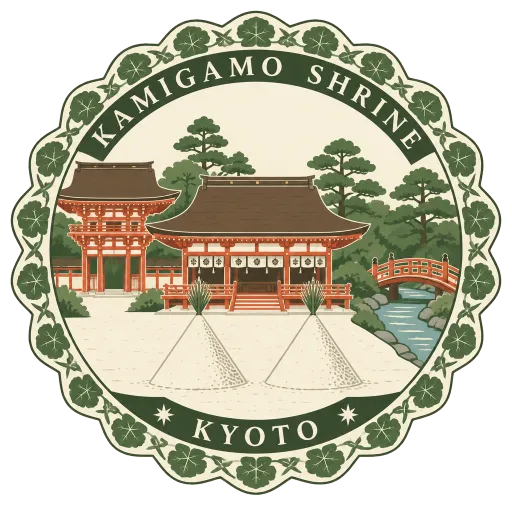
Kamigamo Shrine
One of Kyoto's two Kamo shrines, on the banks of the Kamo River in the north of the city, first founded in 678. Two cone-shaped mounds of white sand stand before its halls, and it is part of the Historic Monuments of Ancient Kyoto.
-
Kinkaku-ji
A Zen temple in northern Kyoto whose reliquary, the Golden Pavilion, has its top two floors coated in gold leaf. It sits on the edge of a still pond that doubles it in reflection, and the present building was rebuilt in 1955.
-
Kiyomizu-dera
A temple in the eastern hills of Kyoto, one of the few that predate the city's founding as capital, dedicated to Kannon. Its great wooden stage juts out from the main hall on tall pillars over the slope, and below it the Otowa waterfall runs in three streams.
-
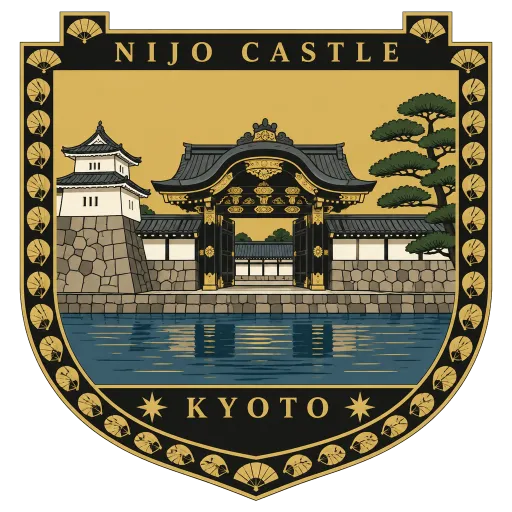
Nijō Castle
A flatland castle in central Kyoto built for Tokugawa Ieyasu, with two rings of walls and moats, the Ninomaru Palace and several gardens. The palace corridors have nightingale floors that chirp underfoot, a warning against intruders.
-
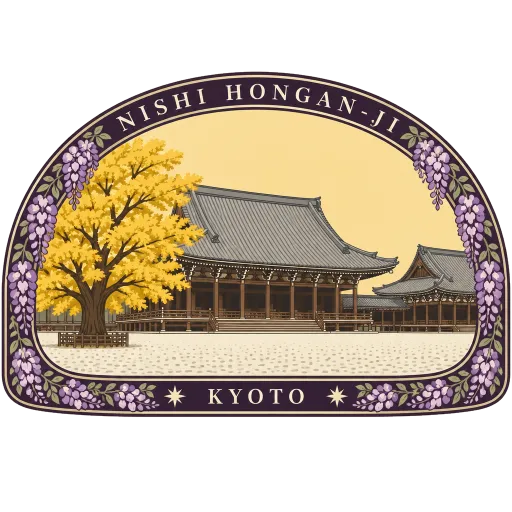
Nishi Hongan-ji
The head temple of the Hongwanji-ha branch of Jōdo Shinshū, in Shimogyō near Kyoto Station. Its two great wooden halls, the Goeidō and the Amidadō, are among the largest in the city, and it is part of the Historic Monuments of Ancient Kyoto.
-
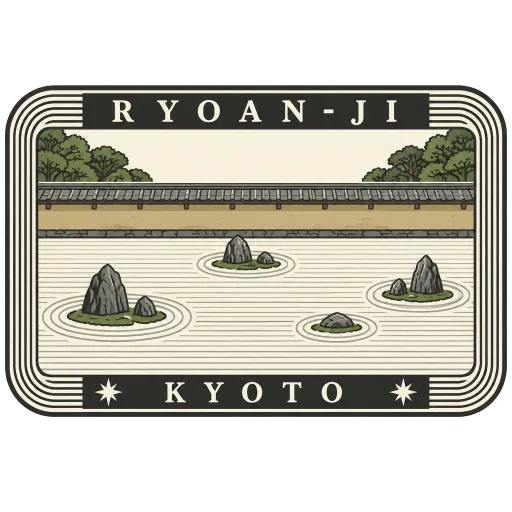
Ryōan-ji
A Zen temple in north-west Kyoto with the most famous rock garden in Japan: fifteen stones set in raked white gravel, placed so that one is always hidden from any point on the veranda. It is a classic of kare-sansui, the dry landscape garden.
-
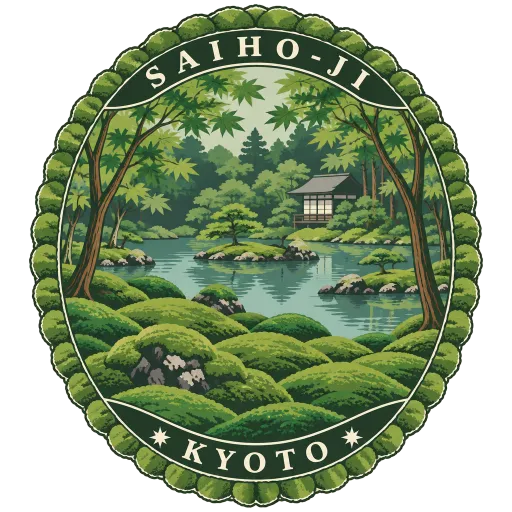
Saiho-ji
A Rinzai Zen temple in western Kyoto known to almost everyone as Koke-dera, the moss temple. More than 120 kinds of moss carpet its two-tiered garden in endless shades of green, and it forms part of the Historic Monuments of Ancient Kyoto.
-
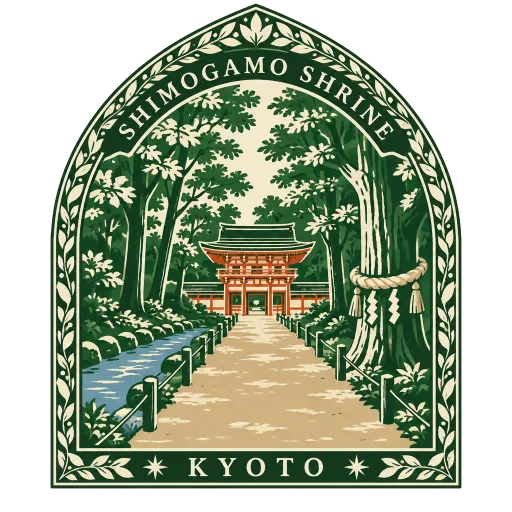
Shimogamo Shrine
One of the oldest Shinto shrines in Japan, believed to date from the 6th century, before Kyoto became the capital. It is approached through Tadasu no Mori, an old forest, and is the elder of the city's two Kamo shrines.
-
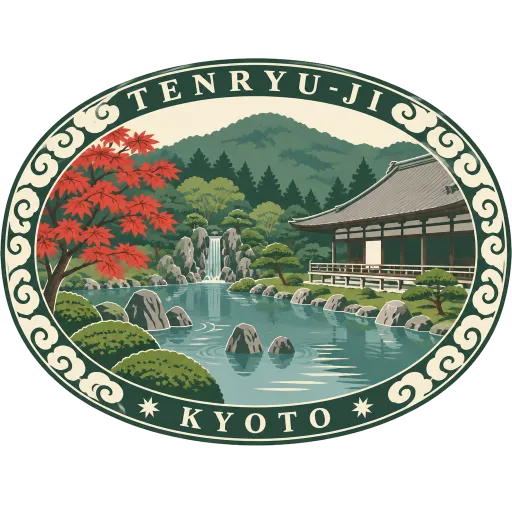
Tenryū-ji
The head temple of its own branch of Rinzai Zen, founded by Ashikaga Takauji in 1339 with Musō Soseki as its first chief priest. It ranks first among Kyoto's Five Mountains, and its garden pond borrows the hills of Arashiyama as a backdrop.
-
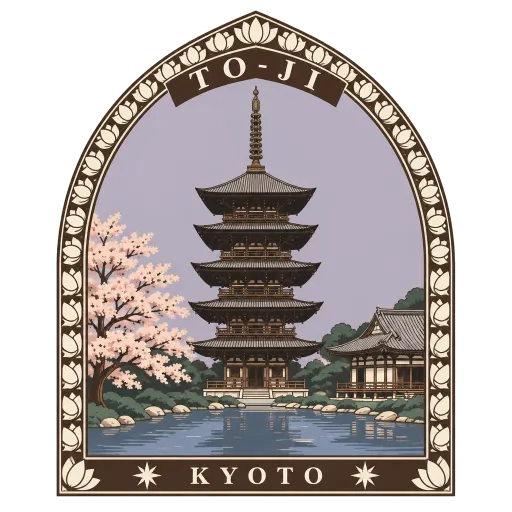
Tō-ji
A Shingon temple in southern Kyoto, founded beside the capital's main southern gate soon after the city was laid out. Its five-storey pagoda, about 55 metres high, is the tallest wooden pagoda in Japan, and a flea market fills the grounds on the 21st of each month.



Famous places to visit in Kyoto (8)
-
Amanohashidate
A pine-covered sandbar about 3.6 km long across Miyazu Bay in northern Kyoto Prefecture, counted as one of Japan's three scenic views. The custom is to view it upside down, bending over to look between your legs from the hills above, so it seems to bridge the sky.
-
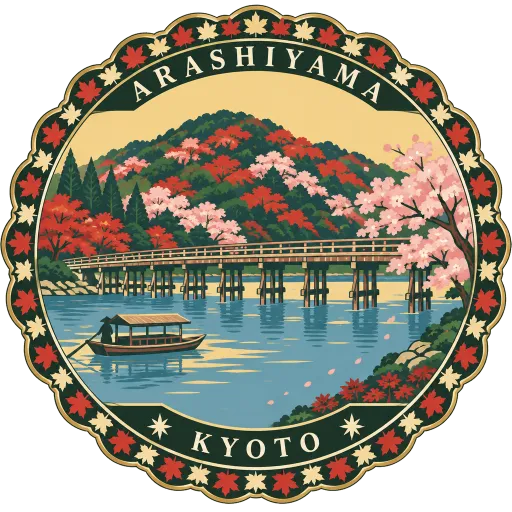
Arashiyama
A district on the western edge of Kyoto, where the Ōi River runs below a wooded mountain of the same name. The Togetsukyō bridge, the bamboo grove and temples such as Tenryū-ji make it one of the city's favourite places for cherry blossom and autumn colour.
-
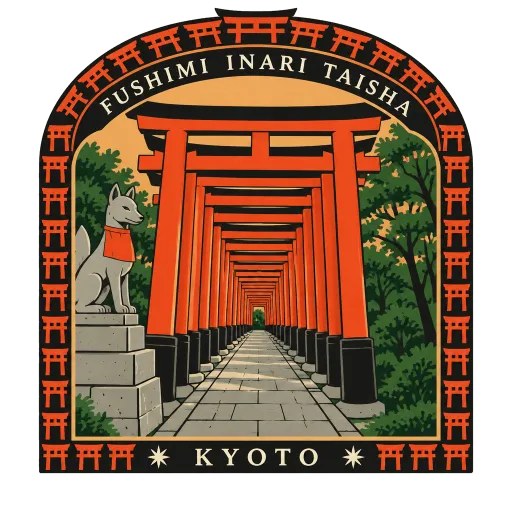
Fushimi Inari Taisha
The head shrine of Inari, the kami of rice and prosperity, at the foot of Mount Inari in southern Kyoto. Thousands of vermilion torii gates form tunnels along trails that wind about 4 kilometres up the mountain, past fox statues and smaller shrines.
-
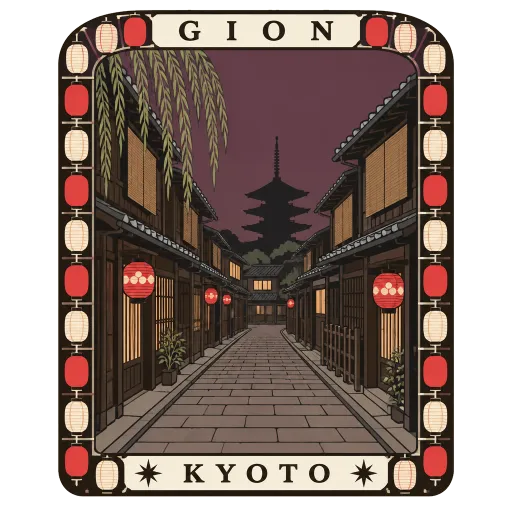
Gion
Kyoto's best known geisha district, which grew up in front of Yasaka Shrine to serve travellers and pilgrims. In its lanes of wooden teahouses, especially along Hanamikōji, a geiko or maiko may pass on her way to an evening appointment.
-
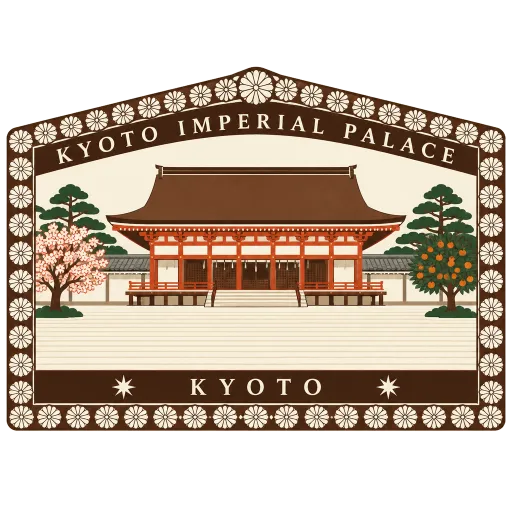
Kyoto Imperial Palace
The palace of the emperors of Japan from 1331 until 1869, when the court moved to Tokyo. It stands within the wide Kyoto Gyoen park in Kamigyō, and its grounds are open to the public, with tours of the buildings.
-
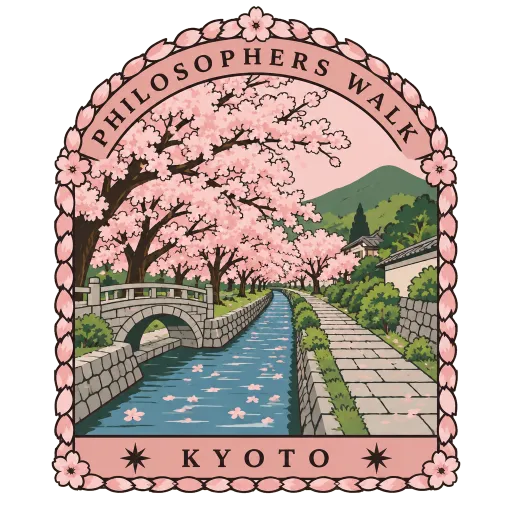
Philosopher's Walk
A footpath beside a shallow canal between Ginkaku-ji and Nanzen-ji, lined with cherry trees and first opened in 1890. It is named for the philosopher Nishida Kitarō, who is said to have walked it daily in meditation.
-
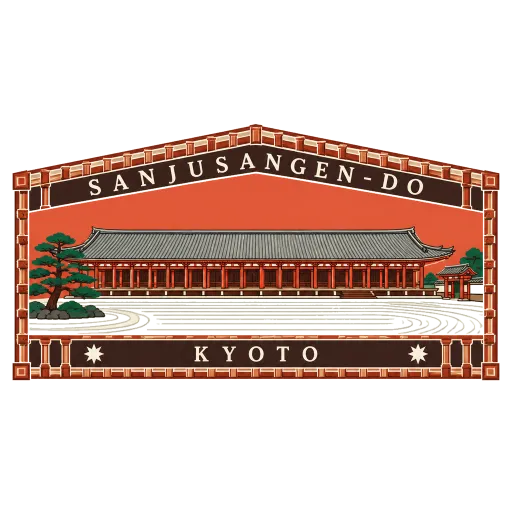
Sanjūsangen-dō
A Tendai temple in Higashiyama whose long wooden hall holds 1,001 statues of the thousand-armed Kannon, standing in rows around a great seated figure. Its name means hall of 33 bays, after the spaces between its pillars.
-
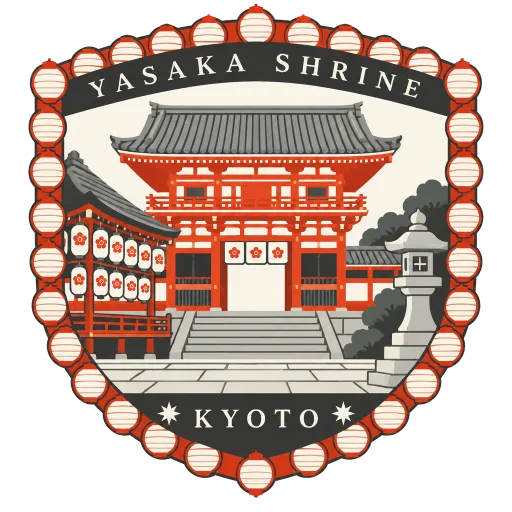
Yasaka Shrine
A Shinto shrine at the east end of Shijō-dōri, once called Gion Shrine and the centre of the Gion faith. It is dedicated to Susanoo and his consort, and each July it hosts the Gion Matsuri, one of Japan's most famous festivals.

Hidden gems in Kyoto (10)
-
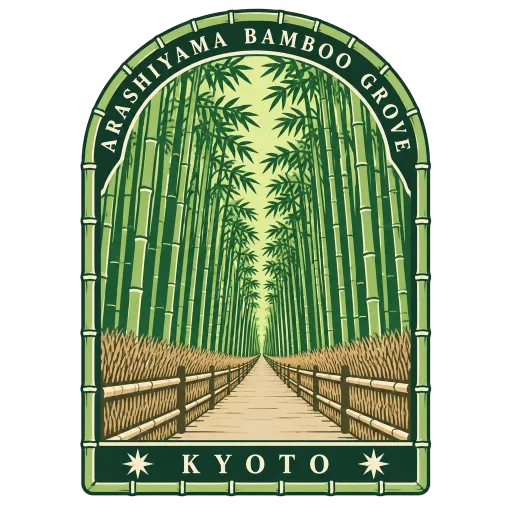
Arashiyama Bamboo Grove
A grove of tall mōsō bamboo in Arashiyama, with paths that run between the green stems beside Tenryū-ji. The Ministry of the Environment counts the sound of the wind through it among the soundscapes of Japan.
-
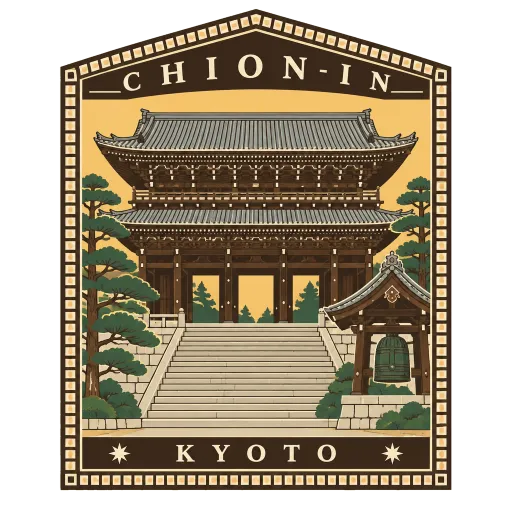
Chion-in
The head temple of Jōdo-shū, the Pure Land school founded by Hōnen, who taught that reciting the name of Amida Buddha brings rebirth in his Pure Land. Its Sanmon is one of the largest wooden gates in Japan, and its great bell is rung by a team of monks at New Year.
-
Heian Shrine
A Shinto shrine in Sakyō, built in 1895 for the 1,100th anniversary of Kyoto's founding. Its main buildings are a scaled-down copy of the old imperial palace, and a giant red torii stands over the road in front.
-
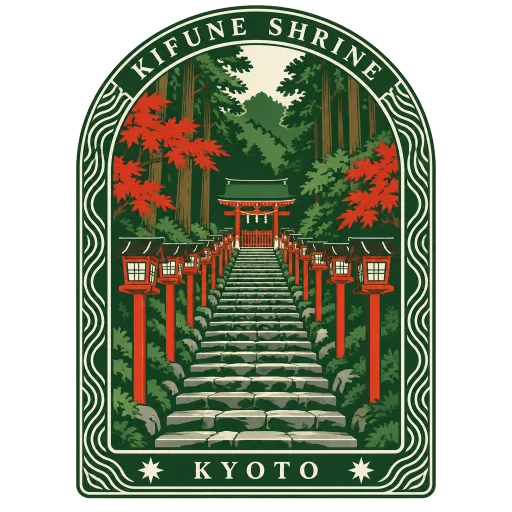
Kifune Shrine
A mountain shrine to the god of water in the forested valley of Kibune, in the far north of Kyoto. Its approach is a flight of stone steps lined with red lanterns, and visitors float paper fortunes on the spring water to make the writing appear.
-
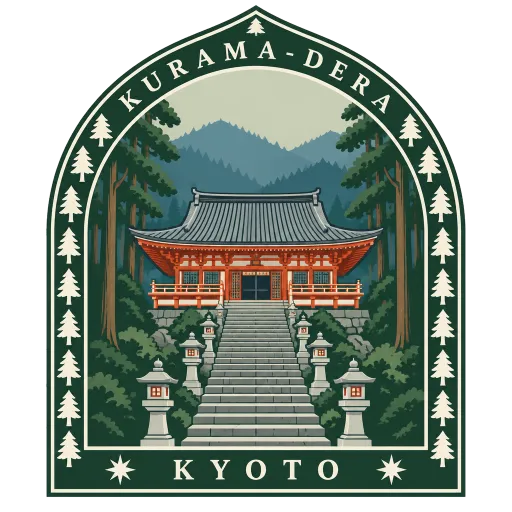
Kurama-dera
A mountain temple in the far north of Kyoto, reached by a steep path or a short cable car up Mount Kurama. It holds several National Treasures, and it is said to have been founded by a disciple of the Chinese monk Jianzhen.
-
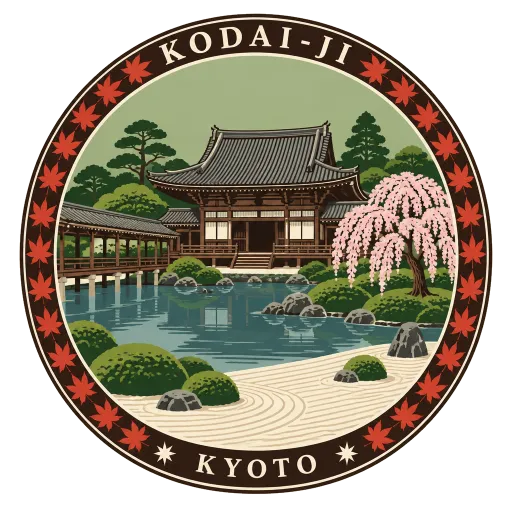
Kōdai-ji
A Rinzai Zen temple in Higashiyama, founded by Nene in memory of her husband, Toyotomi Hideyoshi. Its gardens, designed by Kobori Enshū, are a Place of Scenic Beauty, and its precincts a National Historic Site.
-
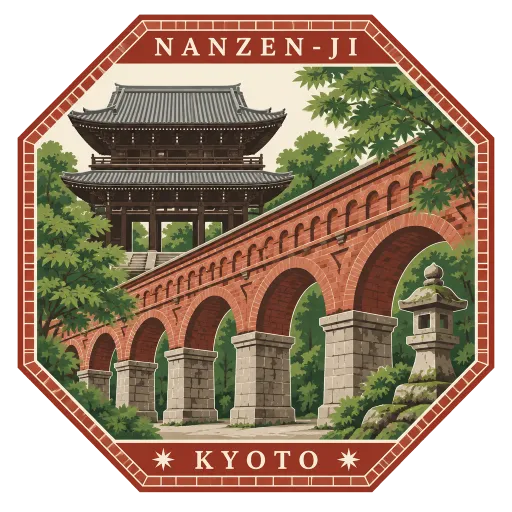
Nanzen-ji
A Zen temple founded by Emperor Kameyama in 1291 on the site of his detached palace, and head of its own branch of Rinzai Zen. A brick aqueduct of the Lake Biwa Canal runs through its grounds, near the great Sanmon gate.
-
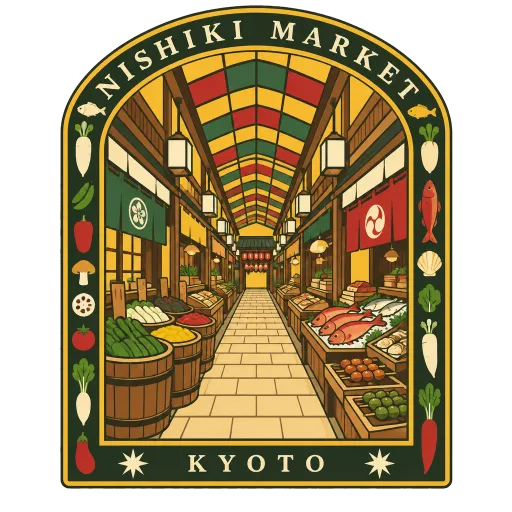
Nishiki Market
A narrow covered market street in downtown Kyoto, one block north of Shijō Street, crowded with small stalls and shops. It is where the city buys its pickles, tofu, fish and sweets, and is often called Kyoto's kitchen.
-
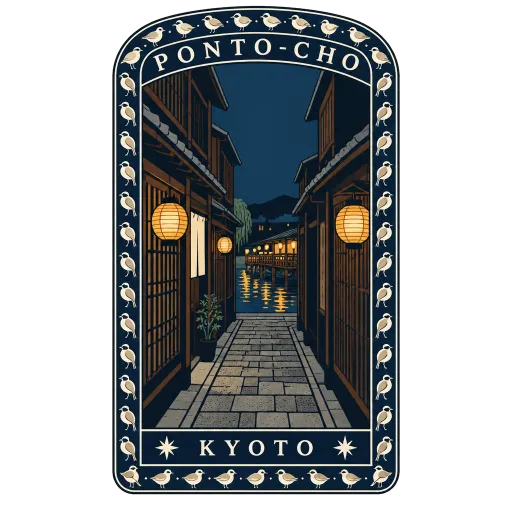
Ponto-chō
A narrow lantern-lit alley of teahouses and restaurants running beside the Kamo River, and one of Kyoto's geisha districts. In summer the restaurants on its river side build wooden platforms out over the water for dining.
-
Tōfuku-ji
One of the five great Zen temples of Kyoto, whose name joins those of two temples in Nara, Tōdai-ji and Kōfuku-ji. Its wooden Tsūtenkyō bridge spans a valley of maples, and the view from it is one of the city's great autumn sights.


Collecting in Kyoto
What are the best places to visit in Kyoto?
LOQAH lists 31 places in Kyoto. The best known include Byōdō-in, Daigo-ji, Ginkaku-ji, Kamigamo Shrine and Kinkaku-ji. Each has a stamp of its own to collect when you are there.
How many LOQAH stamps are there in Kyoto?
31, and more are added over time. Each place has LOQAH's carefully crafted stamp of its own.
How do I collect a stamp in Kyoto?
Open LOQAH at the place and get its stamp. LOQAH checks where you are once, at that moment; at the place itself the stamp is confirmed on site, with a gold badge.
I have been to places in Kyoto before. Can I add them?
Yes. In Earlier trips, choose Kyoto and swipe through its stamps, or import your Google Timeline. Each one goes into your volume with the date, if you know it.
More in Japan
Collect your first stamp.
LOQAH is free on iPhone and Android, in India and 20 more countries, with more countries on the way. Stand at a place, collect its stamp, and keep every trip in a passport that grows.